Daily editionFree · Ad-free · Sourced
The Daily Lift

Good news, every day. Substantial, verifiable progress.

Search the archive

Every brief we have published, searchable by keyword.

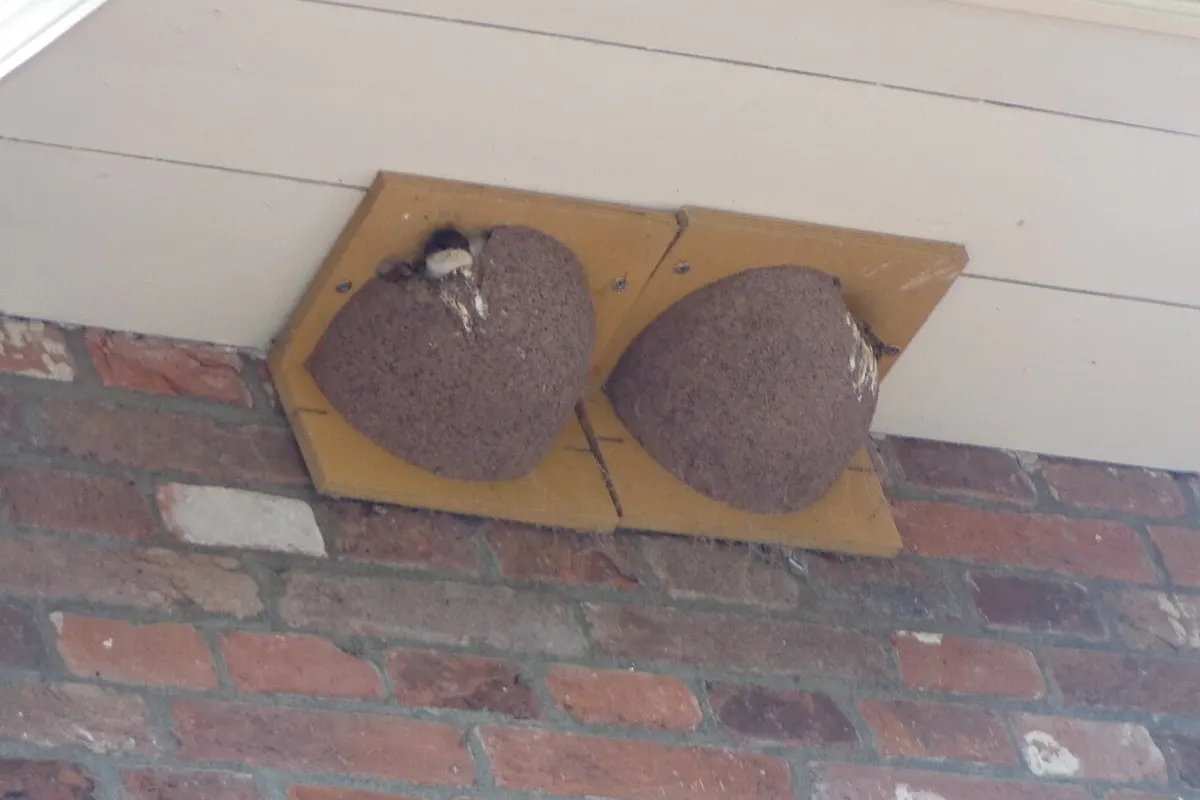
Illustrative photo: Two dome-shaped artificial house martin nests mounted on a wooden backing beneath a building eave above a brick wall; a small bird peers from the left nest entrance.
Illustrative photo: HenkvD — Groot Zandbrink Zwaluwnesten.JPG · Wikimedia Commons · CC BY-SA 3.0. Changes: photo cropped and resized by The Daily Lift. This adapted photo is shared under the same licence, CC BY-SA 3.0. The licence applies to the photo only, not to the story text.

Planet

House martin artificial nests scheme set to expand

A scheme to expand artificial nests for endangered migratory house martins is set to expand. The installed nests are more robust than the birds' own mud constructions.

Source: BBC · Science & Environment · Brief published · 1 min read

Original The Daily Lift illustration for People, not a photograph
Original illustration by The Daily Lift, not a photograph.

People

Good News in History, November 7

Seventeen years ago today, Utah Jazz coach Jerry Sloan became the first coach in professional basketball history to record 1,000 wins with a single team. He spent nearly his entire 23-year coaching career in Utah, guiding the franchise through both strong and difficult stretches.

Source: Good News Network · Brief published · 1 min read

Original The Daily Lift illustration for Breakthroughs, not a photograph
Original illustration by The Daily Lift, not a photograph.

Breakthroughs

A Kampo medicine, kamishoyosan, ameliorates menstruation-associated symptoms in patients with premenstrual syndrome: An exploratory open-label, randomized controlled trial

In an open-label, randomized exploratory trial of 50 patients, three menstrual cycles of oral kamishoyosan (KSS) significantly improved the premenstrual Menstrual Distress Questionnaire (MDQ) total score. KSS also reduced MDQ scores during the cycle, improved several subscales (pain, concentration, behavioral change, negative feelings), eased daily symptoms such as irritability, anger and anxiety, and lowered activity impairment on the WPAI; one KSS-related adverse event (headache) was reported.

Source: PLOS · Open Science · Brief published · 1 min read

Illustrative photo: Aerial view of a blue river winding through red‑rock desert, showing deep, tightly looping meanders and steep canyon walls forming gooseneck‑like channels.
Illustrative photo: Ken Lund from Reno, Nevada, USA — Great Bend, San Juan Arm of Lake Powell, Glen Canyon National Recreation Area, Utah (14223859603).jpg · Wikimedia Commons · CC BY-SA 2.0. Changes: photo cropped and resized by The Daily Lift. This adapted photo is shared under the same licence, CC BY-SA 2.0. The licence applies to the photo only, not to the story text.

Places

Taking a Gander at Utah’s Goosenecks

The San Juan River has carved deep, tightly looping meanders into the desert, creating pronounced winding channels. These improbably curving cuts show how rivers can sculpt dramatic landforms even in arid terrain.
Source: NASA · Brief published · 1 min read

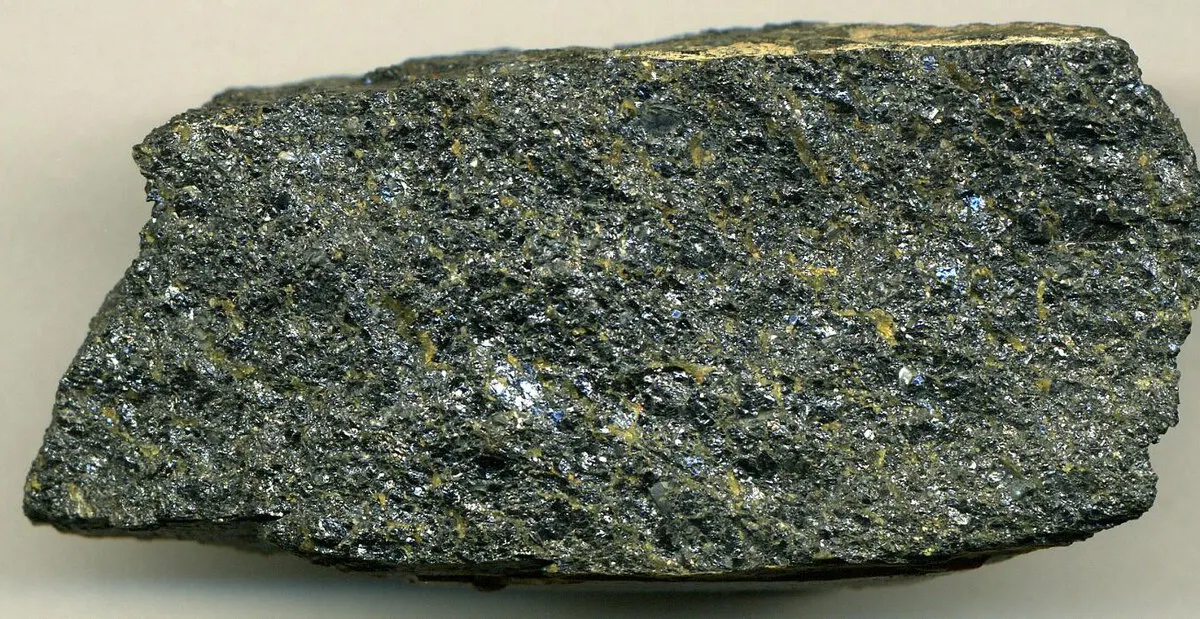
Illustrative photo: Close-up of a dark, coarse-grained rock slab with a greenish-black matrix and scattered shiny metallic flecks, photographed on a neutral light background.
Illustrative photo: James St. John — Olivine chromitite (Troodos Ophiolite Complex, Late Cretaceous; Kokkinorotsos Mountain, Cyprus).jpg · Wikimedia Commons · CC BY 2.0. Changes: photo cropped and resized by The Daily Lift.

Places

Cyprus: Island of Snakes, Cats, and Ophiolites

Cyprus, the third-largest island in the Mediterranean Sea, reveals an exposed remnant of ancient ocean floor in its rocks. The island is also noted for hosting a clowder of cats.

Source: NASA · Brief published · 1 min read

Original The Daily Lift illustration for Progress, not a photograph
Original illustration by The Daily Lift, not a photograph.

Progress

Epidemiological surveillance of bacterial pathogens in cultured European sea bass ( Dicentrarchus labrax ) along the Aegean coast of Türkiye

A retrospective surveillance program (2020–2025) of cultured European sea bass along Türkiye’s Aegean coast aggregated diagnostic data from 19 offshore commercial farms across three macro-regional zones, covering 748 cage-level outbreaks and necropsy of 5,235 clinically affected fish. Phenotypic profiling (API 20E) and organ touch‑imprint cytology yielded 2,490 bacterial isolates across six species, with Photobacterium damselae subsp. piscicida and Tenacibaculum maritimum identified as the primary etiological agents (about 48.8% and 35.8% of outbreaks, respectively) while several Vibrio species occurred at substantially lower rates.

Source: PLOS · Open Science · Brief published · 1 min read

Original The Daily Lift illustration for Places, not a photograph
Original illustration by The Daily Lift, not a photograph.

Places

APOD: 2026 November 7 – De Gerlache-Kocher Massif

The Astronomy Picture of the Day for 7 November 2026 features the De Gerlache–Kocher Massif. APOD showcases a different image of the universe each day and provides a short explanation written by a professional astronomer.
Source: NASA · Brief published · 1 min read

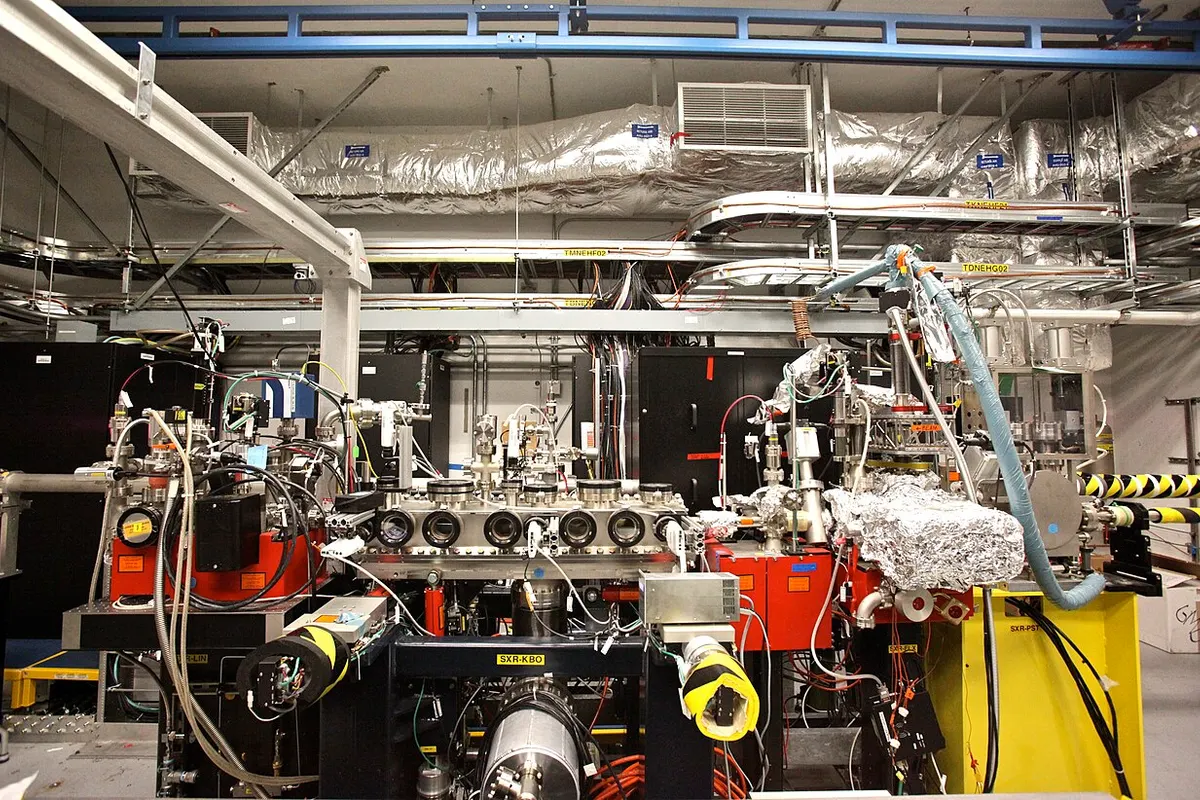
Illustrative photo: Interior of a research laboratory showing a large optical table and high‑power laser equipment — mirrors, lenses, cables, control boxes and instrumentation across the room.
Illustrative photo: Steve Jurvetson from Menlo Park, USA — SXR beamline - Experimental end of the world’s brightest X-ray Laser, generated by the Linear Accelerator at SLAC.jpg · Wikimedia Commons · CC BY 2.0. Changes: photo cropped and resized by The Daily Lift.

Breakthroughs

Podcast: Can America's most powerful laser unlock the universe?

NSF-supported researcher Louise Willingale discusses the NSF Zettawatt Equivalent Ultrashort Pulse Laser System, identified in the excerpt as the most powerful laser in the United States. She explains how the system is being used to advance scientific research and outlines its intended future role.
Source: NSF · Research · Brief published · 1 min read

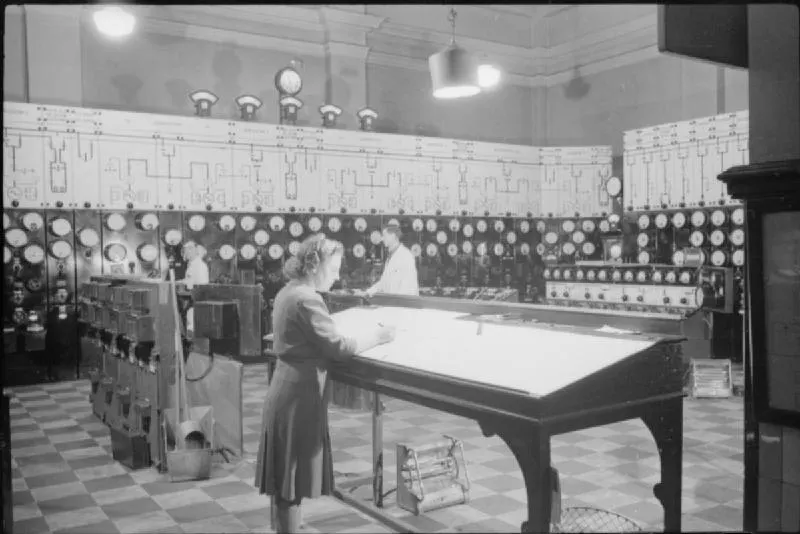
Illustrative photo: Vintage black-and-white photograph of a power/control room interior: two people at a large drafting-style control desk facing a long wall filled with analog gauges, switches and schematic diagrams.
Illustrative photo: Ministry of Information Photo Division Photographer — The British Grid System- the work of the Central Electricity Board in Wartime, c March 1945 D24270.jpg · Wikimedia Commons · Public domain. Changes: photo cropped and resized by The Daily Lift.

Breakthroughs

Adaptive–based cascaded PI–PID controller for load frequency regulation with real time verification

Researchers propose a cascaded PI–PID controller that integrates the Set‑Membership Affine Projection Algorithm (SMAPA) for adaptive parameter updates to address load frequency control in single‑area and interconnected two‑area power systems. The approach was evaluated in simulations and real‑time two‑area validation under step and random load disturbances, wind power fluctuations and parameter uncertainty, with frequency‑domain stability analysis showing lower overshoot and faster settling time than several conventional PI/PID designs.
Source: PLOS · Open Science · Brief published · 1 min read

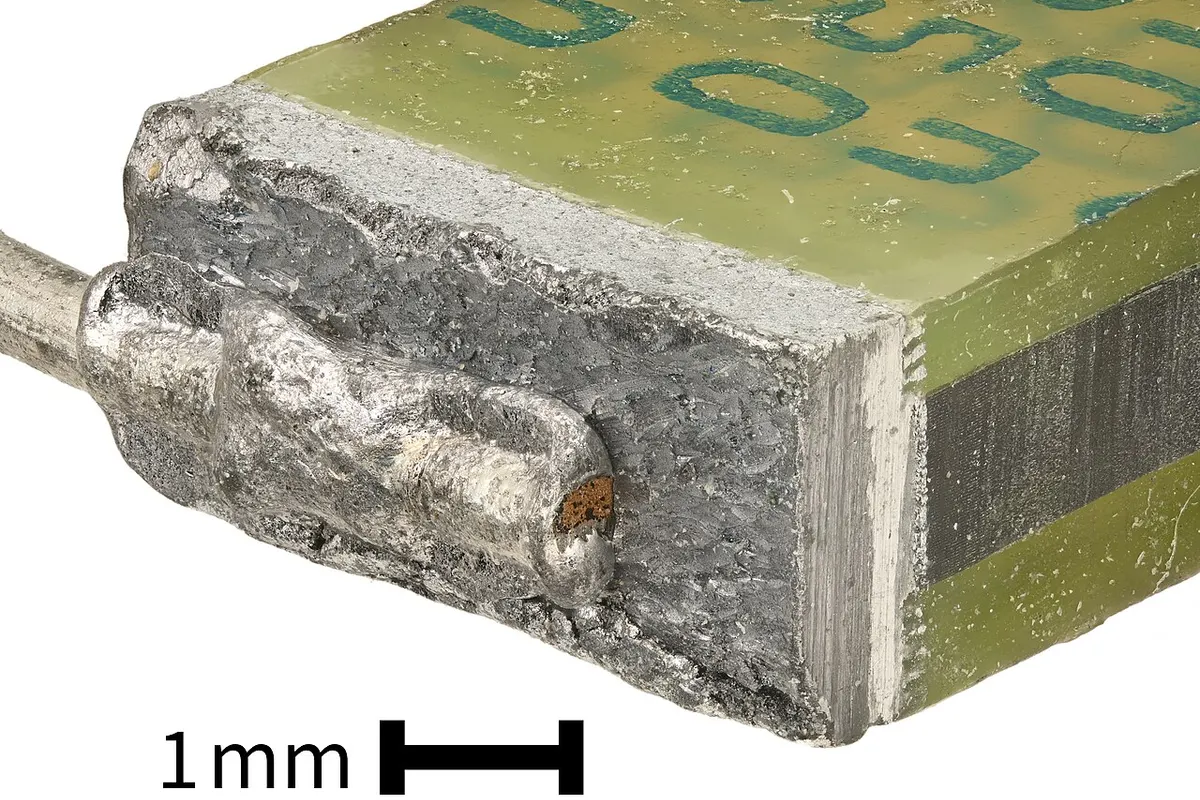
Illustrative photo: Close-up macro image of a small rectangular electronic component showing a layered green substrate, a rough solder joint with an attached wire, and a 1 mm scale bar for size reference.
Illustrative photo: Phiarc — Uncased film capacitor schoopage.jpg · Wikimedia Commons · CC BY-SA 4.0. Changes: photo cropped and resized by The Daily Lift. This adapted photo is shared under the same licence, CC BY-SA 4.0. The licence applies to the photo only, not to the story text.

Breakthroughs

Podcast: The future of electronics goes beyond circuit boards

NSF-supported researcher Ethan Secor describes a specialized additive manufacturing process and the materials used to produce circuits that can be customized to conform to complex three-dimensional surfaces. The discussion emphasizes fabricating electronics directly onto non-flat forms as an alternative to traditional flat circuit boards.
Source: NSF · Research · Brief published · 1 min read

Illustrative photo: A man in a white shirt stands with his arms crossed in a laboratory; two people in lab coats work with glassware and equipment in the background.
Illustrative photo: Yigit Altay — Engin Umut Akkaya - In the Lab.JPG · Wikimedia Commons · CC BY-SA 4.0. Changes: photo cropped and resized by The Daily Lift. This adapted photo is shared under the same licence, CC BY-SA 4.0. The licence applies to the photo only, not to the story text.

Progress

NSF lays the foundation for the next generation of technologies and support for American talent

The U.S. National Science Foundation announced a package of new programs and initiatives intended to advance next-generation technologies and strengthen support for American scientific talent, aligning with the White House report 'Science: A New Golden Age.' The announcement frames these measures as foundational steps to implement that national vision for research and workforce capacity.
Source: NSF · Research · Brief published · 1 min read

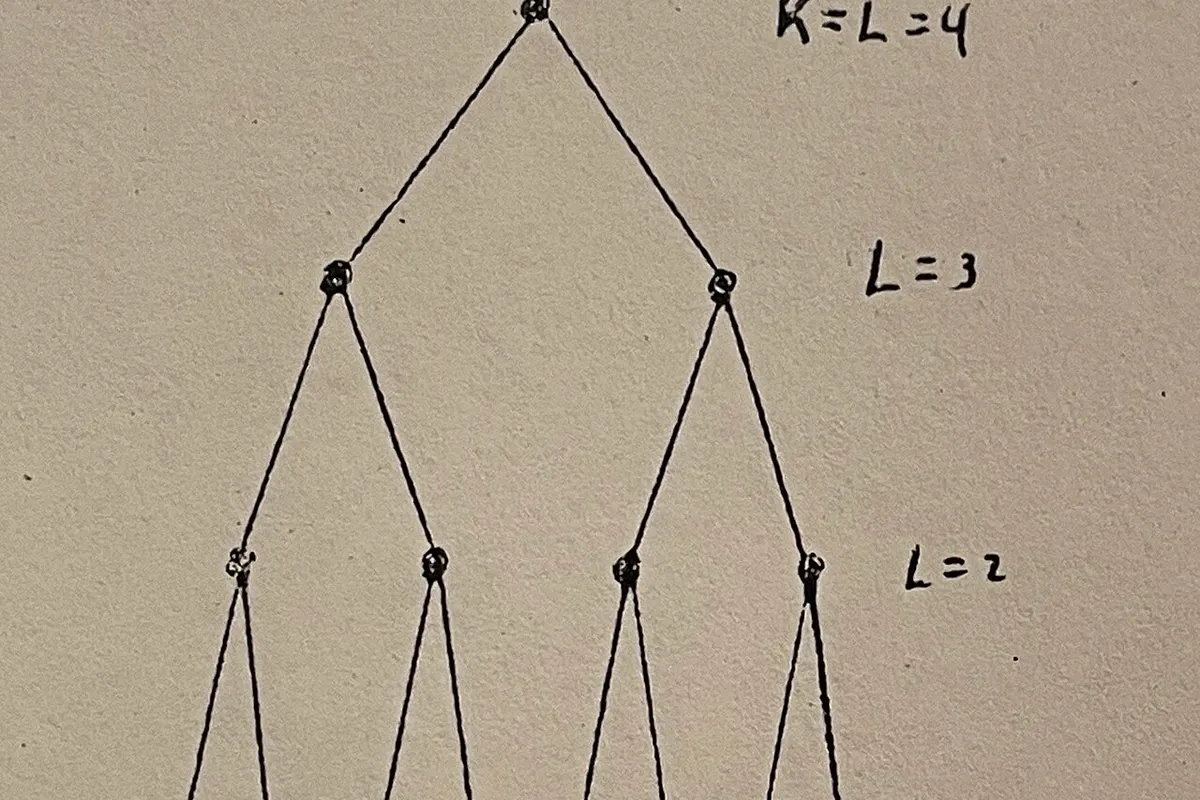
Illustrative photo: Hand-drawn tree-like graph on beige paper showing a rooted, branching structure of small circular nodes connected by lines. Four levels are indicated by handwritten labels on the right: 'L=1', 'L=2', 'L=3' and 'K=L=4'. Drawn in black ink.
Illustrative photo: Peter F. Barth — Cayley Tree Branch with Branching Ratio = 2.jpg · Wikimedia Commons · CC BY-SA 4.0. Changes: photo cropped and resized by The Daily Lift. This adapted photo is shared under the same licence, CC BY-SA 4.0. The licence applies to the photo only, not to the story text.

Breakthroughs

Aligning entity of knowledge graph based on graph convolutional network with maximum translated similarity

The authors introduce GCN-MTS, a graph convolutional network that uses a maximum translated similarity mechanism to preserve relative embedding structure when unifying cross-graph embedding spaces for entity alignment. On three real-world knowledge-graph pairs the model improved Hits@1 by 5–15% and Hits@10 by 4–16%; ablation tests report the optimized module yields about a 22% gain over a vanilla GCN and the approach remained robust across different seed alignment quantities and combinations.

Source: PLOS · Open Science · Brief published · 1 min read

Illustrative photo: Interior of a large steel-framed dome or industrial enclosure with teal-painted support beams; a yellow platform is being lifted by a crane through an open roof to clear blue sky, and a white boom lift is visible at left.
Illustrative photo: Rubin Observatory/NSF/AURA — Installation of the bridge crane inside the Vera C Rubin Observatory dome (rubin-20210415 134712).jpg · Wikimedia Commons · CC BY 4.0. Changes: photo cropped and resized by The Daily Lift.

Breakthroughs

New dwarf planet candidate discovered by NSF–DOE Rubin Observatory

The NSF–DOE Vera C. Rubin Observatory detected a large object that researchers have identified as a possible dwarf planet. Preliminary analysis indicates the body is orbiting in the outer solar system beyond Pluto, though its classification remains tentative pending further study.
Source: NSF · Research · Brief published · 1 min read

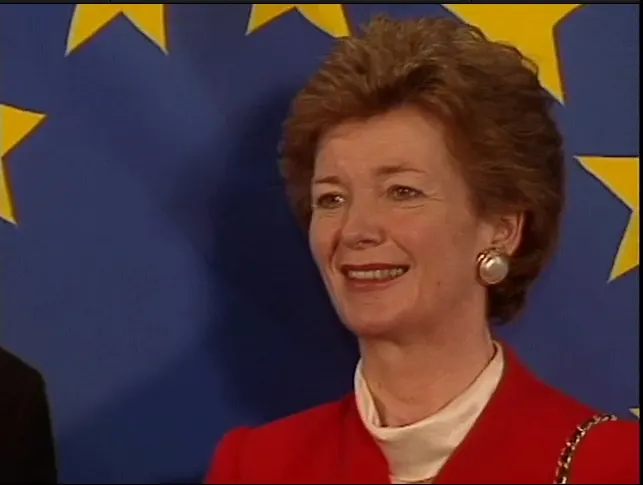
Illustrative photo: Smiling middle-aged woman in a red jacket and white blouse, wearing large round earrings, standing in front of a blue backdrop with yellow stars.
Illustrative photo: European Communities — Mary Robinson, May 1995 02.jpg · Wikimedia Commons · CC BY 4.0. Changes: photo cropped and resized by The Daily Lift.

On This Day

1990: Mary Robinson elected Ireland's first female President

On 7 November 1990 Mary Robinson won the Irish presidency, becoming the Republic of Ireland's first woman head of state. Her presidency redefined the role with a stronger public emphasis on human-rights issues and international engagement, helping to broaden Ireland's political conversation in the 1990s.
Source: Wikipedia · On This Day · Brief published · 1 min read

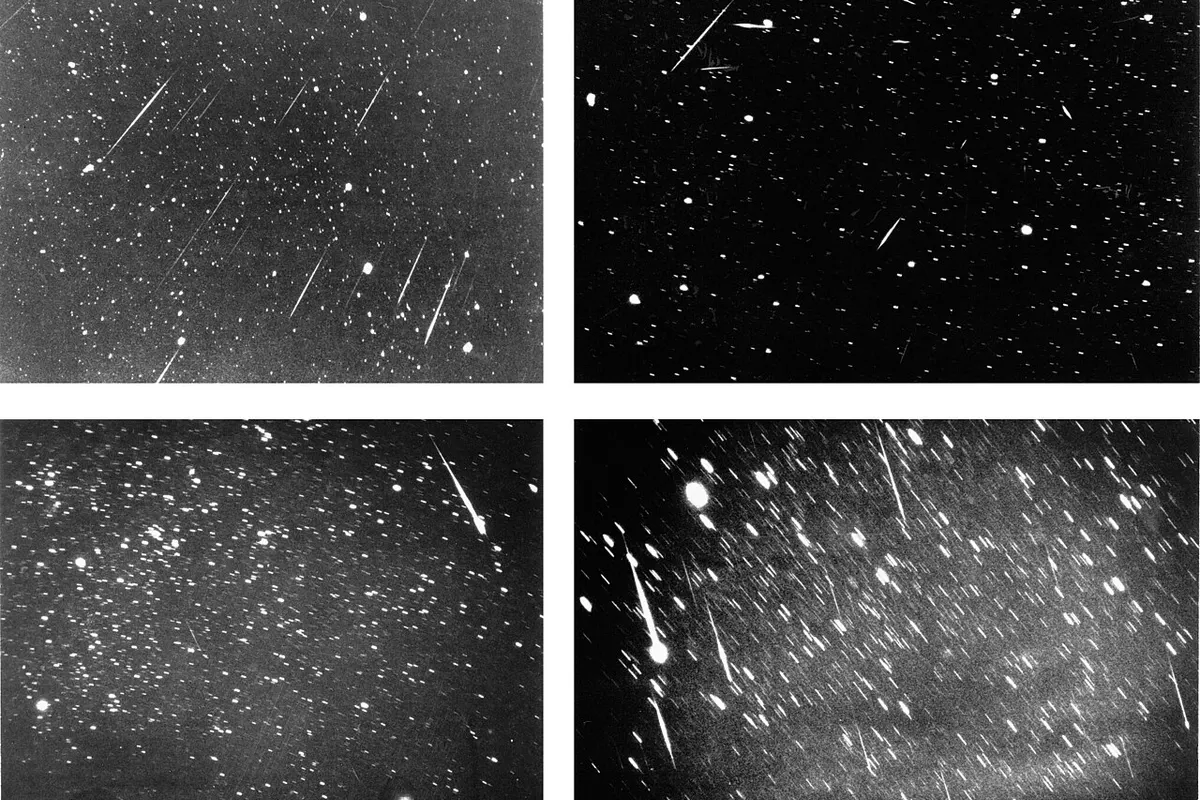
Illustrative photo: Four-panel black-and-white long-exposure photographs showing numerous meteors streaking across a star-filled night sky; lower panels include dark horizon silhouettes and small structures.
Illustrative photo: NOIRLab/NSF/AURA — Four views of the Leonid meteor shower of 1966 Noao-4127A.jpg · Wikimedia Commons · CC BY 4.0. Changes: photo cropped and resized by The Daily Lift.

Breakthroughs

One of the year's most prolific meteor showers to light up the night sky this weekend

The Leonid meteor shower is expected to begin this weekend and remain active through the end of November. It will provide skywatchers an opportunity to see bright, fast meteors streaking across the night sky under dark conditions.
Source: BBC · Science & Environment · Brief published · 1 min read

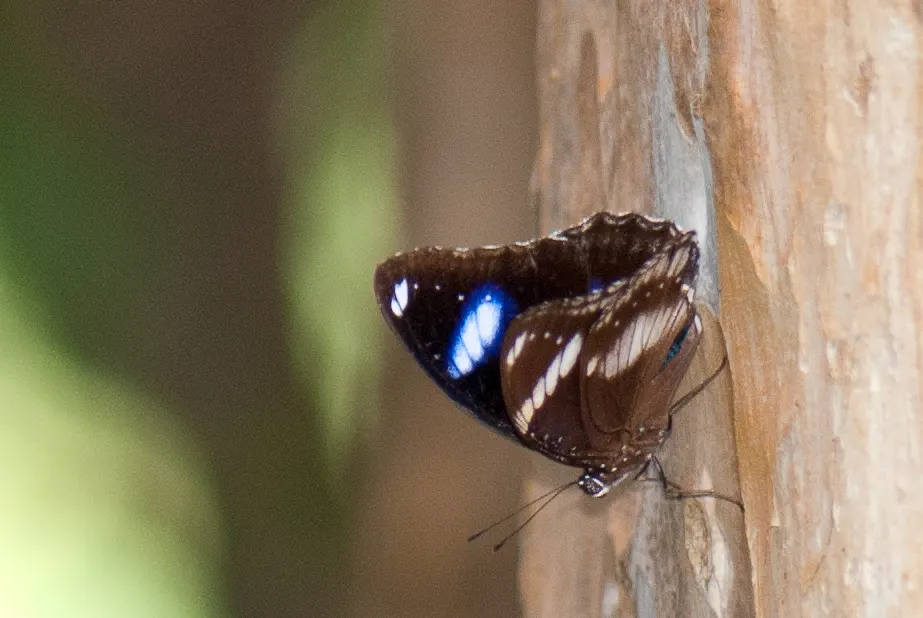
Illustrative photo: Close-up of a butterfly perched on a tree trunk, wings folded showing brown wings with bright blue and white markings.
Illustrative photo: Thomas Quine — Blue spot butterfly close-up (5381052564).jpg · Wikimedia Commons · CC BY-SA 2.0. Changes: photo cropped and resized by The Daily Lift. This adapted photo is shared under the same licence, CC BY-SA 2.0. The licence applies to the photo only, not to the story text.

Breakthroughs

The butterfly effect: a brighter way to make paint?

Researchers are studying the microstructured surfaces of butterfly wings to create coatings that produce color without harmful chemical pigments. This approach is presented as a promising route toward brighter, non-toxic paints and finishes.

Source: Positive News · Brief published · 1 min read