Researchers report detection of trace volcanic gases on Mars, including hydrogen chloride seeping from volcanic rifts. Professor Daniel Mège said the find was extremely challenging to locate, and scientists say these gases could be an important clue in the search for life on Mars.
Source: Good News Network · Brief published · 1 min read
Astronomers using NASA’s Chandra X-ray Observatory have identified a previously hidden companion that triggers repeated outbursts from a giant, unstable star. A new study in The Astrophysical Journal reports the companion pulls material from the massive star every 113 days as the two orbit.
Source: NASA · Brief published · 1 min read
Original illustration by The Daily Lift, not a photograph.
A quasi-experimental study at a Tunisian university hospital enrolled 129 patients with coronary heart disease and compared a four-stage therapeutic patient education (TPE) program (n = 38) to standard care (n = 91) over one year. Major cardiovascular events occurred in 21.1% of the TPE group versus 59.3% of controls, and secondary outcomes assessed included knowledge, lipid profile, glycated hemoglobin and quality of life.
Source: PLOS · Open Science · Brief published · 1 min read
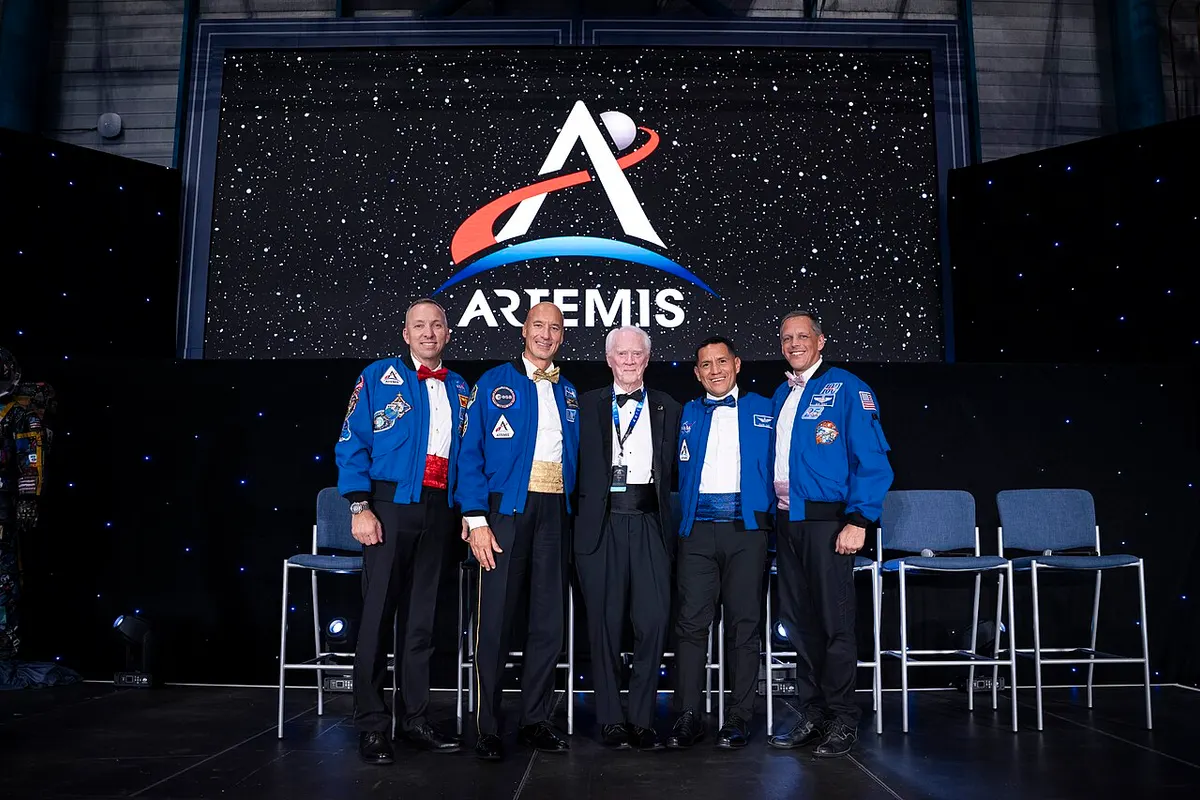
On Sunday, 8 November 2026, NASA announced the student competition “Base Lunar,” awarding one million dollars in prize funding. The award was unveiled during the MAX POWER event at the Kennedy Space Center Visitor Complex in Florida.
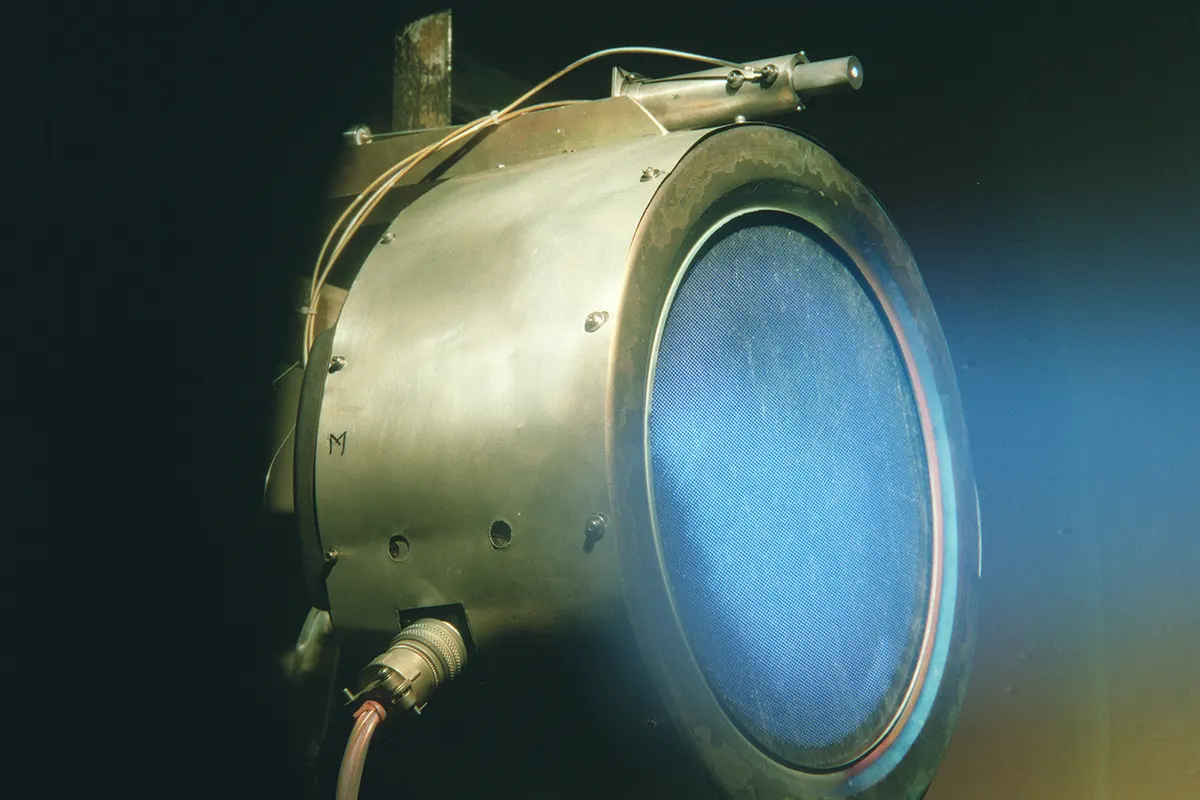
NASA has launched the Advanced Mid-Power Electric Rocket (AMPERE) Challenge to invite U.S. commercial companies to develop and demonstrate mid-power (3–7 kW) Hall effect thruster systems. Government and industry stakeholders have identified these thrusters as critical capabilities for satellite, defense, and exploration missions.
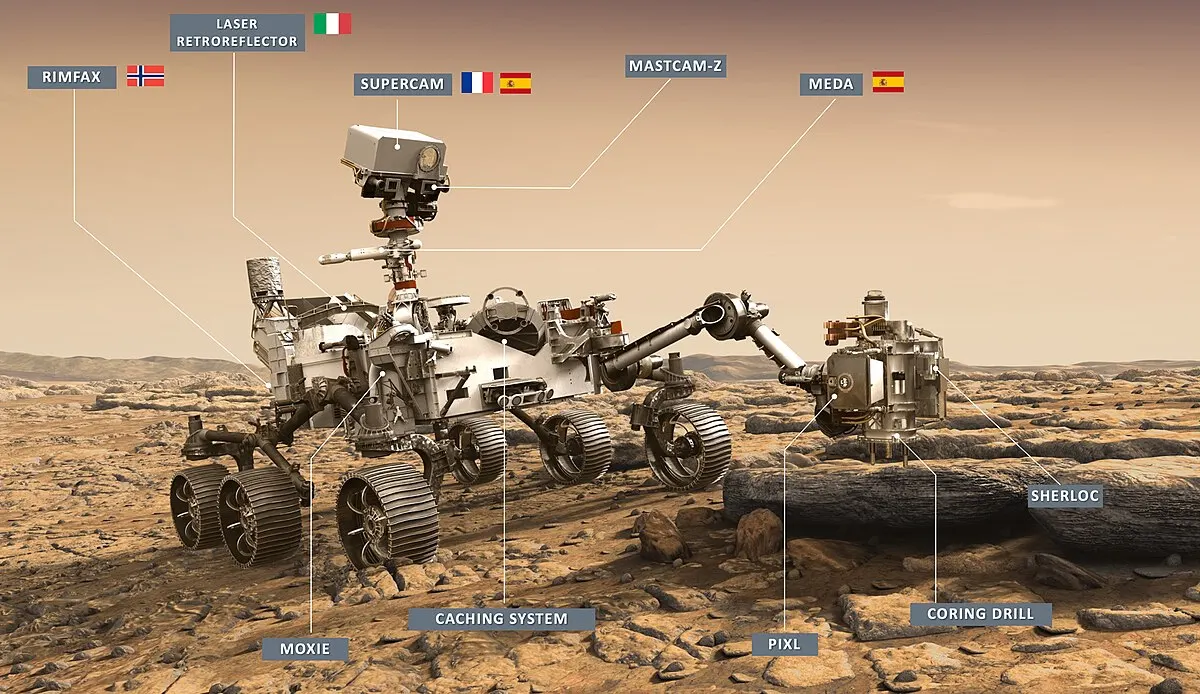
NASA’s Perseverance rover produced a recent abrasion nicknamed “Pumbe” that closely resembles an earlier abrasion called “Badger Peak.” The earlier target was too hard for coring, but the team judged sampling the similar new abrasion worth the extra effort.
Source: NASA · Brief published · 1 min read
Original illustration by The Daily Lift, not a photograph.
In an open-label, randomized exploratory trial of 50 patients, three menstrual cycles of oral kamishoyosan (KSS) significantly improved the premenstrual Menstrual Distress Questionnaire (MDQ) total score. KSS also reduced MDQ scores during the cycle, improved several subscales (pain, concentration, behavioral change, negative feelings), eased daily symptoms such as irritability, anger and anxiety, and lowered activity impairment on the WPAI; one KSS-related adverse event (headache) was reported.
Source: PLOS · Open Science · Brief published · 1 min read
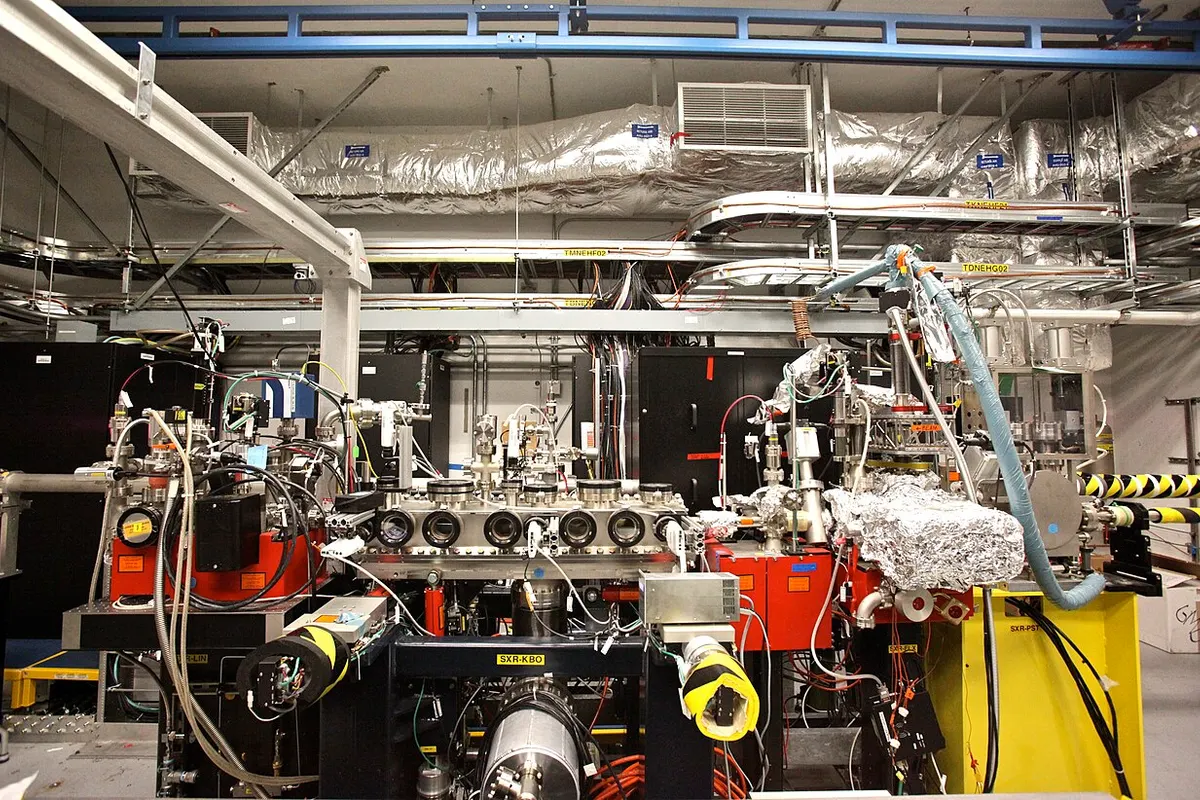
NSF-supported researcher Louise Willingale discusses the NSF Zettawatt Equivalent Ultrashort Pulse Laser System, identified in the excerpt as the most powerful laser in the United States. She explains how the system is being used to advance scientific research and outlines its intended future role.
Source: NSF · Research · Brief published · 1 min read
Researchers propose a cascaded PI–PID controller that integrates the Set‑Membership Affine Projection Algorithm (SMAPA) for adaptive parameter updates to address load frequency control in single‑area and interconnected two‑area power systems. The approach was evaluated in simulations and real‑time two‑area validation under step and random load disturbances, wind power fluctuations and parameter uncertainty, with frequency‑domain stability analysis showing lower overshoot and faster settling time than several conventional PI/PID designs.
Source: PLOS · Open Science · Brief published · 1 min read
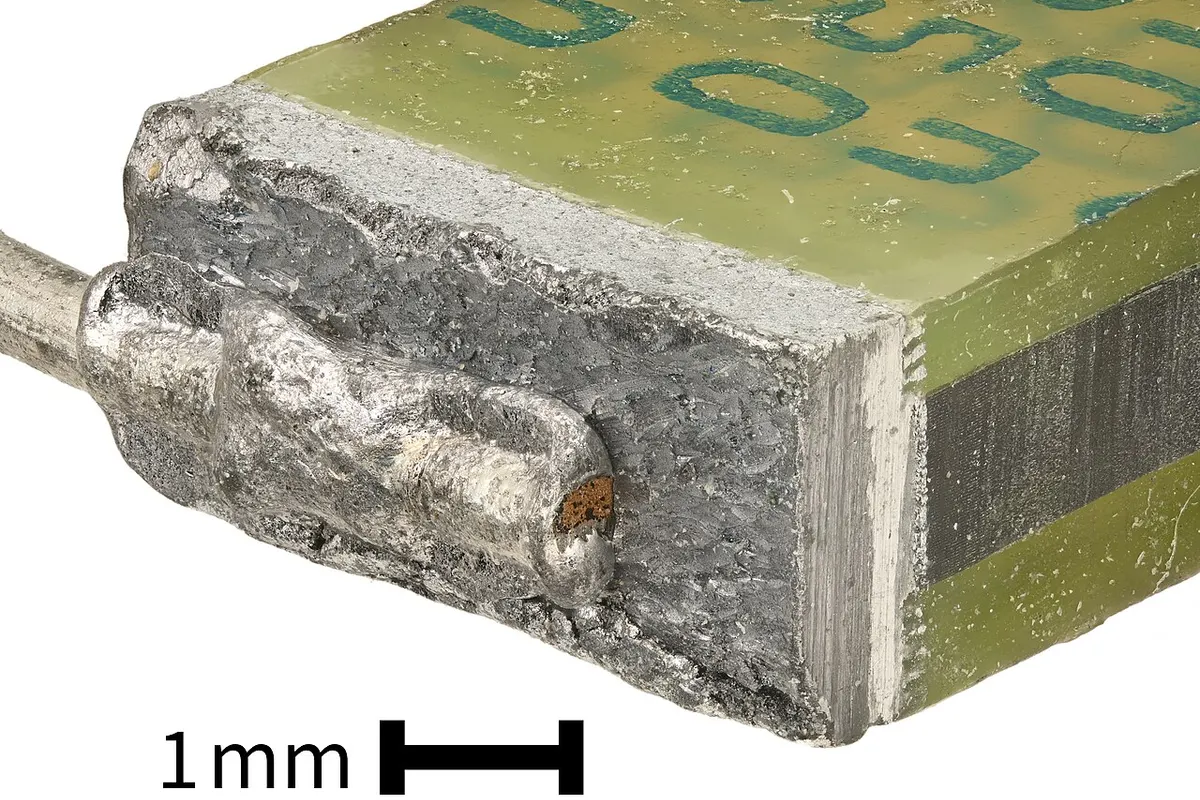
NSF-supported researcher Ethan Secor describes a specialized additive manufacturing process and the materials used to produce circuits that can be customized to conform to complex three-dimensional surfaces. The discussion emphasizes fabricating electronics directly onto non-flat forms as an alternative to traditional flat circuit boards.
Source: NSF · Research · Brief published · 1 min read
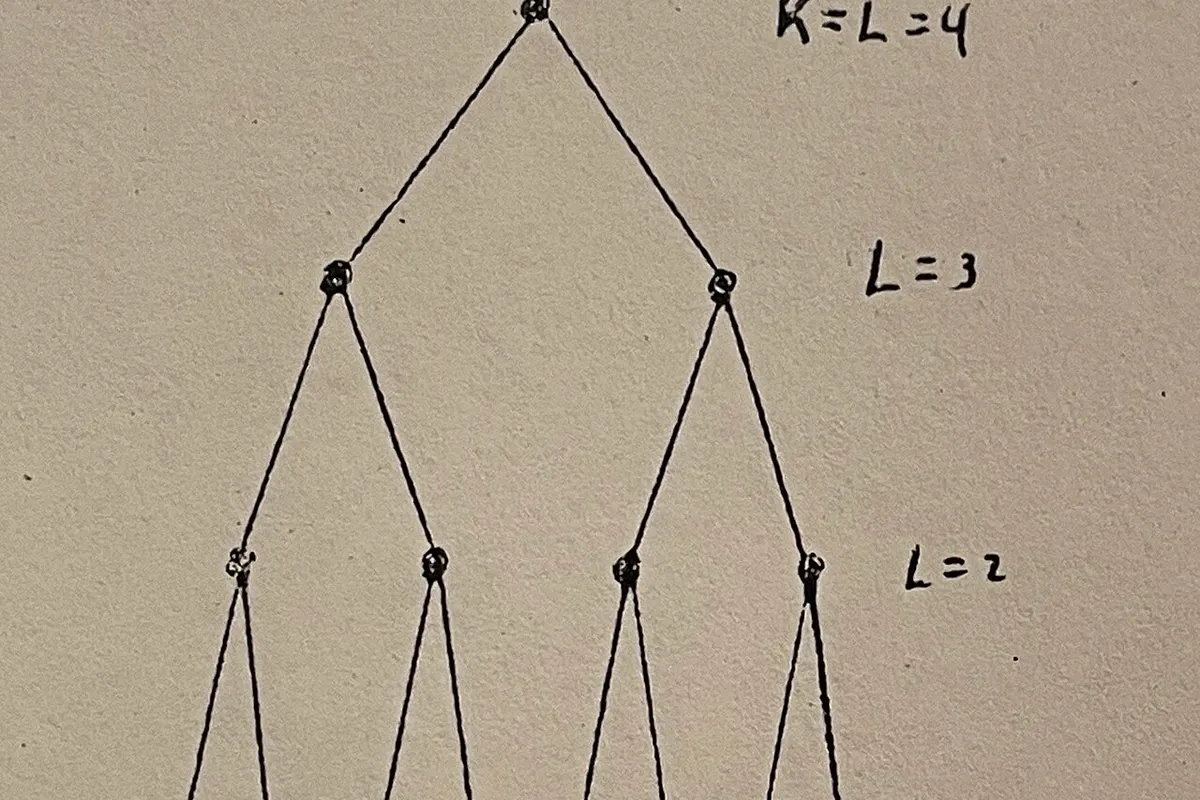
The authors introduce GCN-MTS, a graph convolutional network that uses a maximum translated similarity mechanism to preserve relative embedding structure when unifying cross-graph embedding spaces for entity alignment. On three real-world knowledge-graph pairs the model improved Hits@1 by 5–15% and Hits@10 by 4–16%; ablation tests report the optimized module yields about a 22% gain over a vanilla GCN and the approach remained robust across different seed alignment quantities and combinations.
Source: PLOS · Open Science · Brief published · 1 min read
The NSF–DOE Vera C. Rubin Observatory detected a large object that researchers have identified as a possible dwarf planet. Preliminary analysis indicates the body is orbiting in the outer solar system beyond Pluto, though its classification remains tentative pending further study.
Source: NSF · Research · Brief published · 1 min read