Daily editionFree · Ad-free · Sourced
The Daily Lift

Good news, every day. Substantial, verifiable progress.

Breakthroughs

Podcast: The future of electronics goes beyond circuit boards

NSF-supported researcher Ethan Secor describes a specialized additive manufacturing process and the materials used to produce circuits that can be customized to conform to complex three-dimensional surfaces. The discussion emphasizes fabricating electronics directly onto non-flat forms as an alternative to traditional flat circuit boards.
Original reporting: NSF · Research · by NSF · 1 min read

Originally published by NSF · Research: First briefed by The Daily Lift: Last updated:
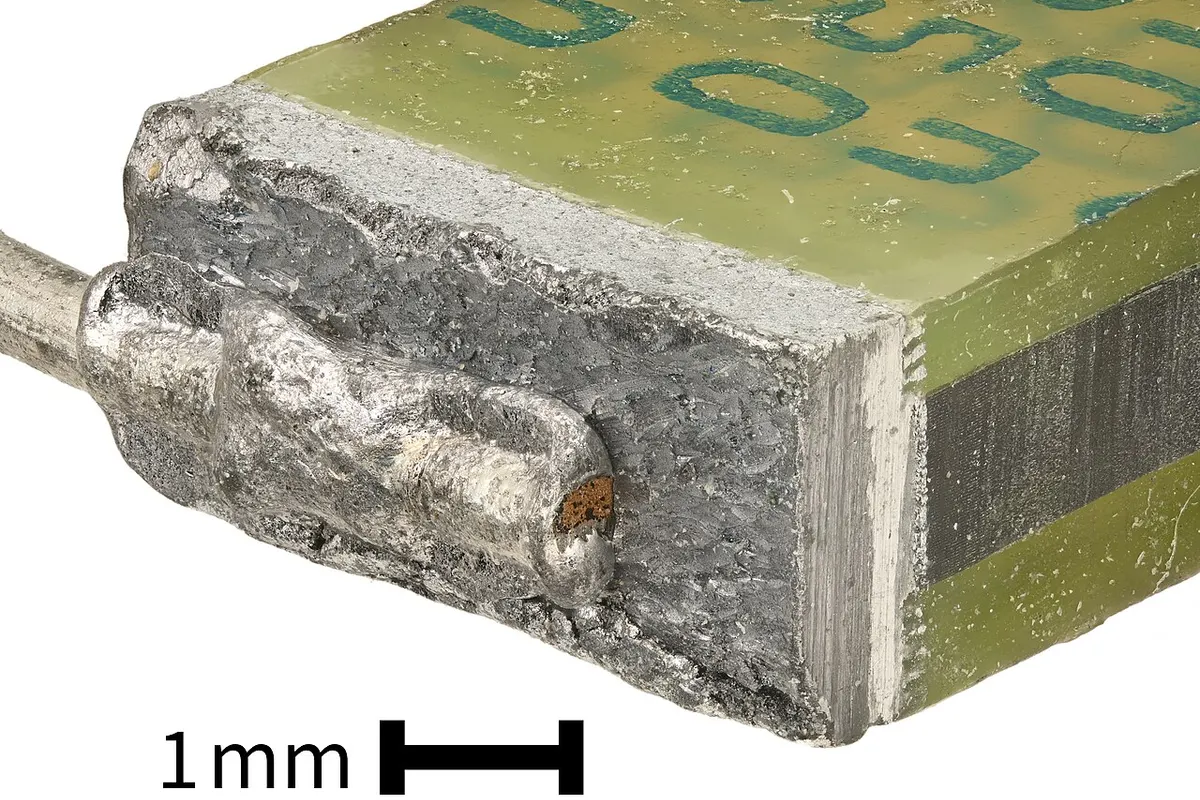
Illustrative photo: Close-up macro image of a small rectangular electronic component showing a layered green substrate, a rough solder joint with an attached wire, and a 1 mm scale bar for size reference.
Illustrative photo: Phiarc — Uncased film capacitor schoopage.jpg · Wikimedia Commons · CC BY-SA 4.0. Changes: photo cropped and resized by The Daily Lift. This adapted photo is shared under the same licence, CC BY-SA 4.0. The licence applies to the photo only, not to the story text. If the remote photo is unavailable, a labelled original TDL illustration is shown instead.

Why this is good news

Designers and manufacturers integrating electronics into curved or irregular objects could benefit because the process fabricates circuits directly onto non-flat forms. Demonstrating materials and an additive manufacturing approach for customizable circuits matters as it offers an alternative to relying on traditional flat circuit boards.

What happens next

What tests will be used to evaluate the electrical performance, durability, and manufacturing repeatability of circuits produced on varied three-dimensional surfaces?
Read the full story at NSF · Research

This is a short original brief by The Daily Lift, not the publisher's full article. Credit and copyright for the original reporting remain with NSF · Research.

Report a problem with this story · Corrections policy

Related stories

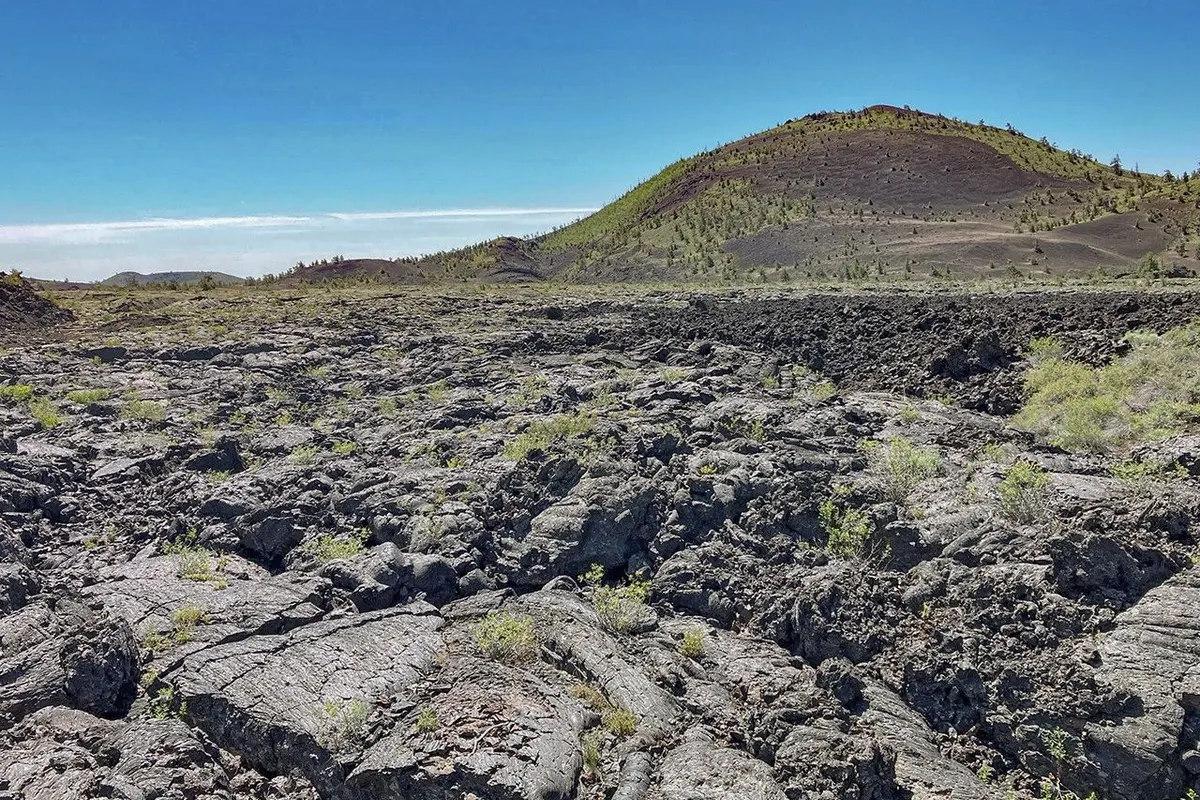
Illustrative photo: Rough basaltic lava field in the foreground with jagged, broken flows and sparse vegetation, and a low cinder-cone hill under a clear blue sky.
Illustrative photo: NASA Earth Observatory images by Michala Garrison, using Landsat data from the U.S. Geological Survey. Story and 2024 photo of Craters of the Moon lava and cinder cone by Lindsey Doermann. — Moonscapes of Idaho (154207 - cratersmoon lava pho lrg).jpg · Wikimedia Commons · Public domain. Changes: photo cropped and resized by The Daily Lift.

Breakthroughs

Martian Volcanic Discovery Could Be ‘Smoking Gun’ in Search for Life

Researchers report detection of trace volcanic gases on Mars, including hydrogen chloride seeping from volcanic rifts. Professor Daniel Mège said the find was extremely challenging to locate, and scientists say these gases could be an important clue in the search for life on Mars.

Source: Good News Network · Brief published · 1 min read

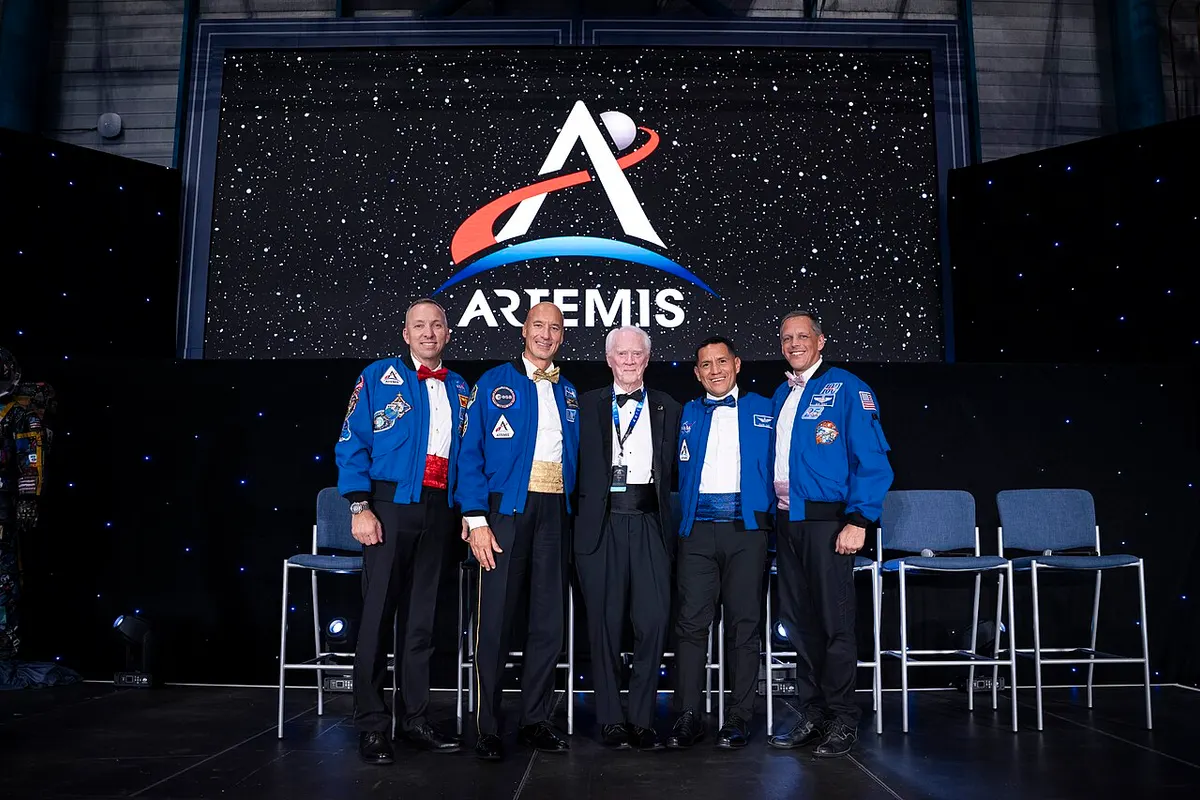
Illustrative photo: Five men standing on a stage in front of a large screen showing the Artemis logo; four wearing blue flight-style jackets and one in a dark suit, with a star-speckled backdrop and chairs at the sides.
Illustrative photo: Purpose Entertainment/Shanna Lockwood — From left- NASA astronauts Randy Bresnik, Luca Parmitano, Russell “Rusty” Schweickart, Frank Rubio, and Bob Hines onstage at the Artemis Celebration Gala at NASA’s Kennedy Space Ce (astronauts-across-generations-share-the-stage).jpg · Wikimedia Commons · Public domain. Changes: photo cropped and resized by The Daily Lift.

Breakthroughs

La NASA destina un millón de dólares al reto estudiantil Base Lunar

On Sunday, 8 November 2026, NASA announced the student competition “Base Lunar,” awarding one million dollars in prize funding. The award was unveiled during the MAX POWER event at the Kennedy Space Center Visitor Complex in Florida.

Source: NASA · Brief published · 1 min read

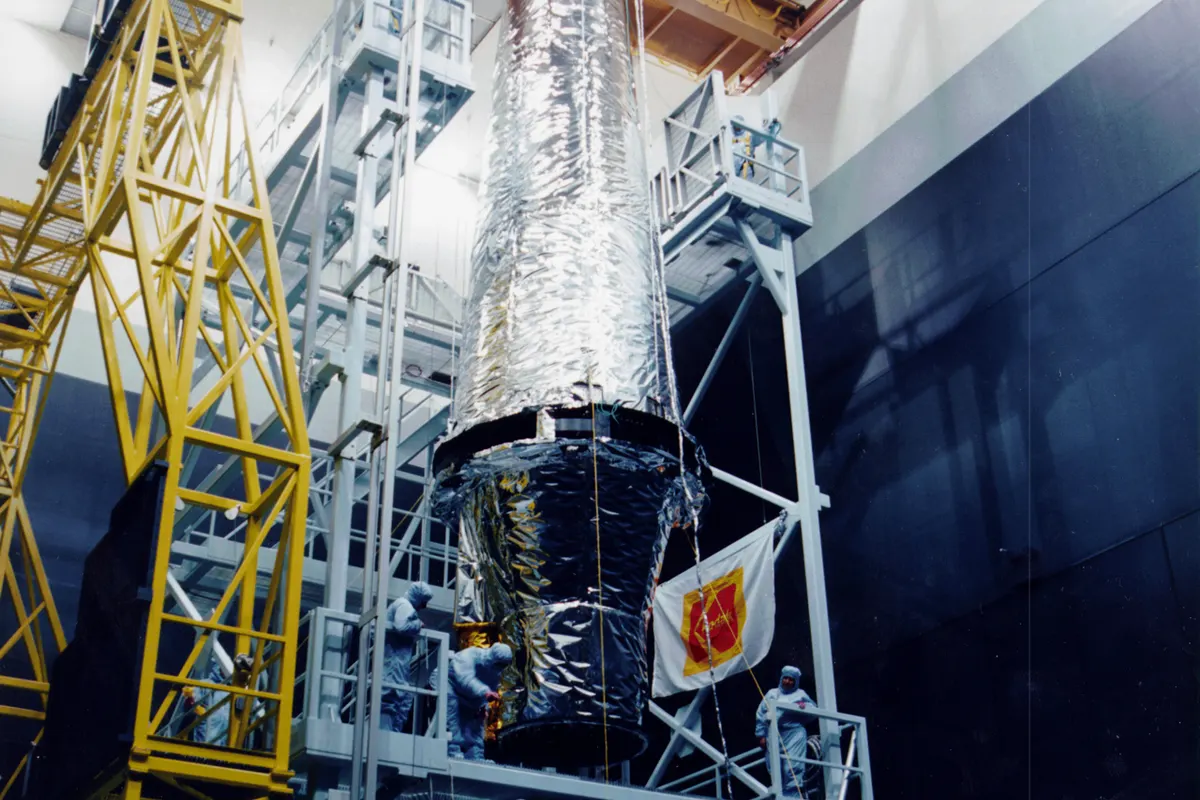
Illustrative photo: Cylindrical space telescope or observatory hardware wrapped in reflective thermal blanket, suspended in an assembly frame inside a cleanroom with technicians in cleanroom suits on surrounding platforms.
Illustrative photo: NASA — Chandra X-ray space observatory - TeleAsmblyHigh-300.png · Wikimedia Commons · Public domain. Changes: photo cropped and resized by The Daily Lift.

Breakthroughs

NASA’s Chandra Finds Source of Star’s Mysterious Outbursts

Astronomers using NASA’s Chandra X-ray Observatory have identified a previously hidden companion that triggers repeated outbursts from a giant, unstable star. A new study in The Astrophysical Journal reports the companion pulls material from the massive star every 113 days as the two orbit.

Source: NASA · Brief published · 1 min read