House martin artificial nests scheme set to expand
A scheme to expand artificial nests for endangered migratory house martins is set to expand. The installed nests are more robust than the birds' own mud constructions.
Original reporting: BBC · Science & Environment · 1 min read
Originally published by BBC · Science & Environment: First briefed by The Daily Lift: Last updated:
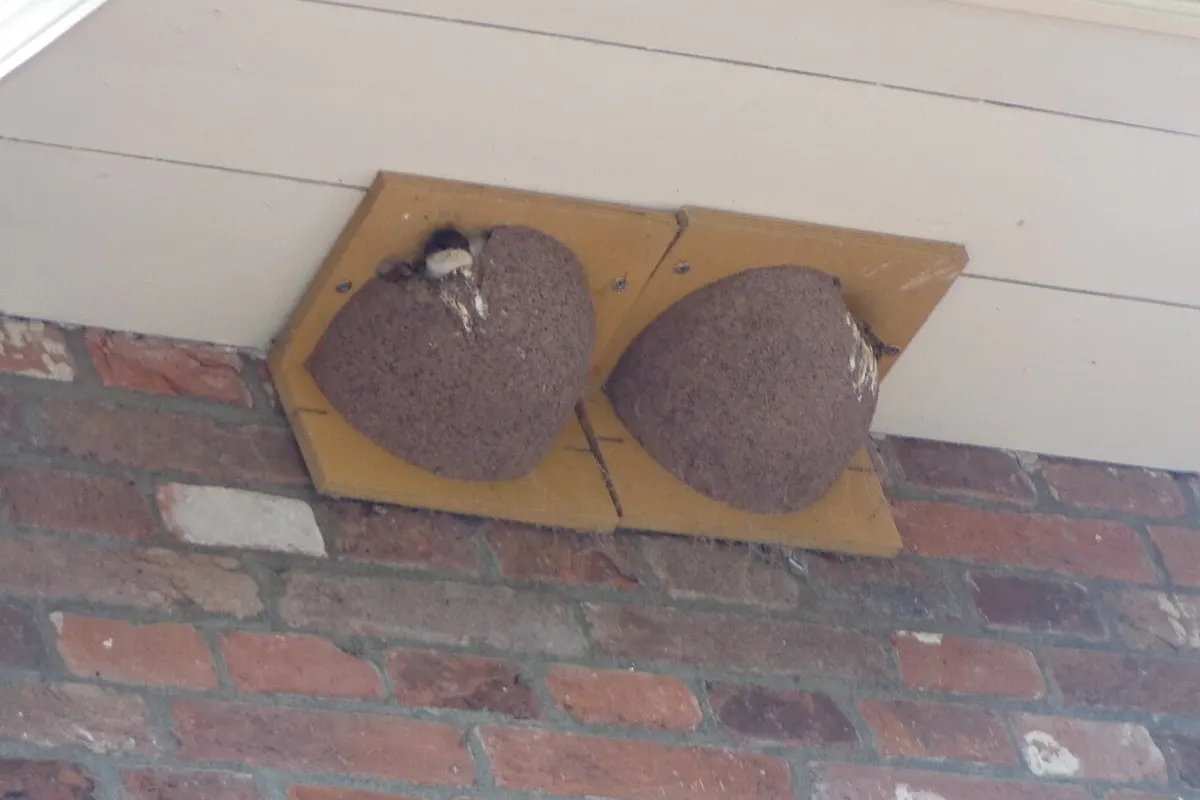
Illustrative photo: HenkvD — Groot Zandbrink Zwaluwnesten.JPG · Wikimedia Commons · CC BY-SA 3.0. Changes: photo cropped and resized by The Daily Lift. This adapted photo is shared under the same licence, CC BY-SA 3.0. The licence applies to the photo only, not to the story text. If the remote photo is unavailable, a labelled original TDL illustration is shown instead.
Why this is good news
The expansion will provide more robust artificial nest sites for endangered migratory house martins, giving the birds access to sturdier shelter. Because the installed nests are more robust than the birds' own mud constructions, the scheme could help address vulnerabilities associated with weaker natural nests.
What happens next
How will the expansion's effects be evaluated: will there be monitoring of occupancy, durability or bird use to compare the installed, more robust nests with natural mud constructions?
This is a short original brief by The Daily Lift, not the publisher's full article. Credit and copyright for the original reporting remain with BBC · Science & Environment.
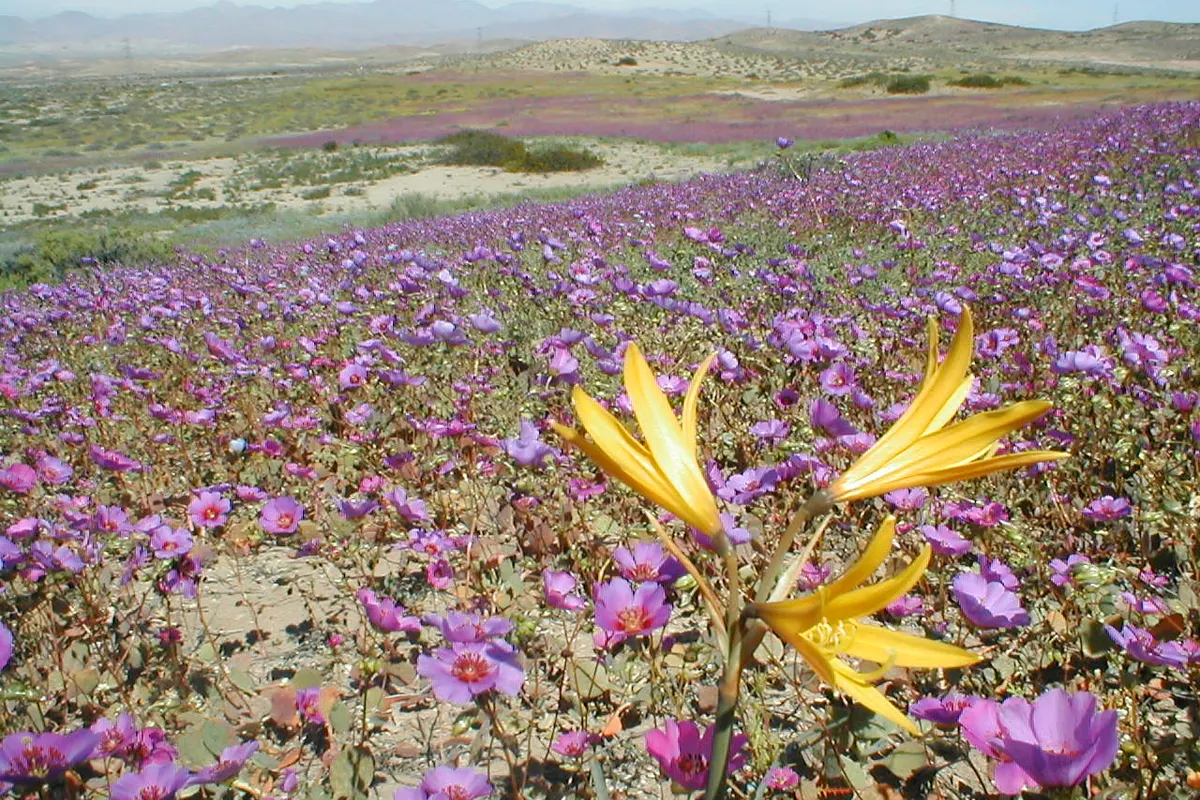
Chile’s Atacama Desert—described as the driest place on Earth only weeks earlier—has erupted into an exceptionally large floral display. Reports say roughly 200 species are blooming, including in areas where flowers have not appeared since before the new millennium.
Source: Good News Network · Brief published · 1 min read
Original illustration by The Daily Lift, not a photograph.
Recent figures indicate Britain's hazel dormouse populations may be stabilizing after decades of decline. The data suggest warmer summers have boosted survival rates, offering cautious optimism for the species' recovery.
Source: BBC · Science & Environment · Brief published · 1 min read