Martian Volcanic Discovery Could Be ‘Smoking Gun’ in Search for Life
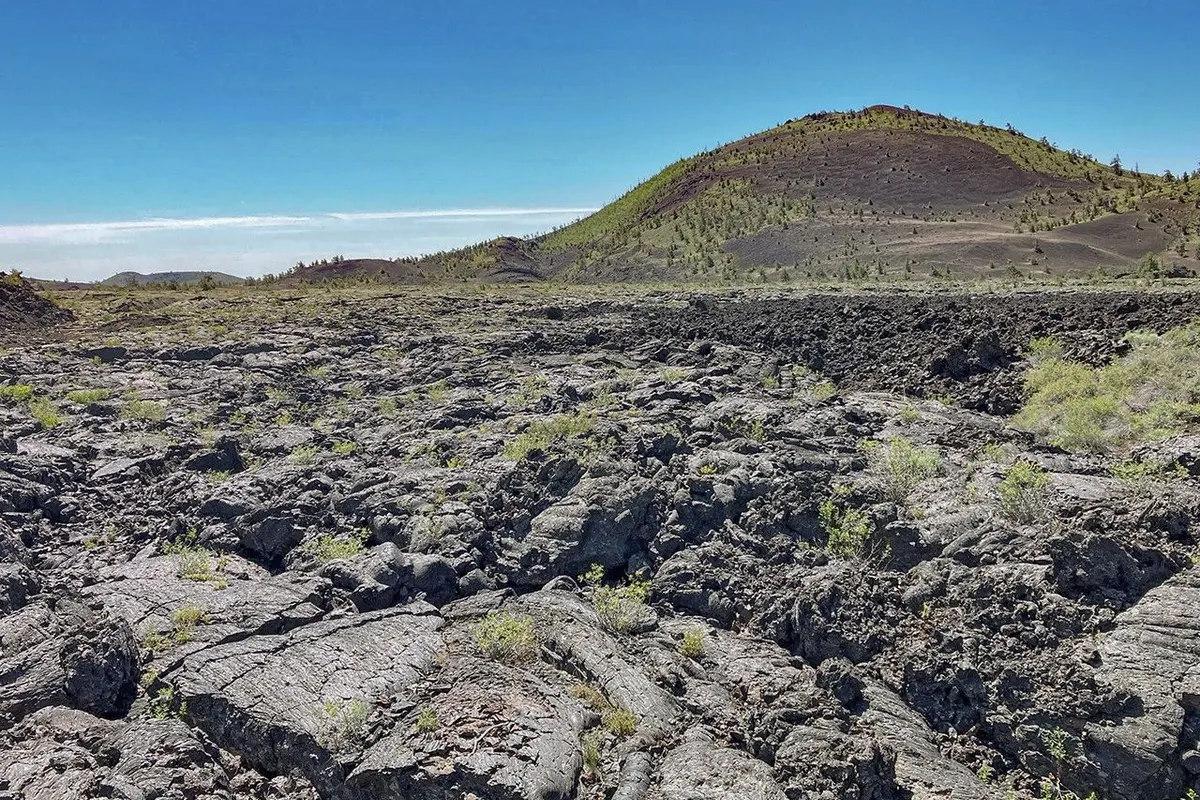
Researchers report detection of trace volcanic gases on Mars, including hydrogen chloride seeping from volcanic rifts. Professor Daniel Mège said the find was extremely challenging to locate, and scientists say these gases could be an important clue in the search for life on Mars.
Original reporting: Good News Network · by Andy Corbley · 1 min read
Originally published by Good News Network: First briefed by The Daily Lift: Last updated:
The reported detection gives scientists a concrete chemical signal to examine as part of the search for life on Mars, since researchers highlight hydrogen chloride among the trace volcanic gases. Because Professor Daniel Mège described the find as extremely challenging to locate, the result indicates that focused chemical detections on Mars are achievable and may help prioritize scientific follow-up.
What happens next
What further analyses or observations are needed to test whether the detected hydrogen chloride and other volcanic gases are linked to potential biological processes on Mars?
This is a short original brief by The Daily Lift, not the publisher's full article. Credit and copyright for the original reporting remain with Good News Network.
On Sunday, 8 November 2026, NASA announced the student competition “Base Lunar,” awarding one million dollars in prize funding. The award was unveiled during the MAX POWER event at the Kennedy Space Center Visitor Complex in Florida.
Astronomers using NASA’s Chandra X-ray Observatory have identified a previously hidden companion that triggers repeated outbursts from a giant, unstable star. A new study in The Astrophysical Journal reports the companion pulls material from the massive star every 113 days as the two orbit.
Source: NASA · Brief published · 1 min read
Original illustration by The Daily Lift, not a photograph.
A quasi-experimental study at a Tunisian university hospital enrolled 129 patients with coronary heart disease and compared a four-stage therapeutic patient education (TPE) program (n = 38) to standard care (n = 91) over one year. Major cardiovascular events occurred in 21.1% of the TPE group versus 59.3% of controls, and secondary outcomes assessed included knowledge, lipid profile, glycated hemoglobin and quality of life.
Source: PLOS · Open Science · Brief published · 1 min read